Compulsive masturbation disorder: warning signs, evidence-based treatments, and recovery pathways
Learn the warning signs of compulsive masturbation disorder and discover evidence-based treatments that can help you or a loved one recover.
10,000+ Reviews

Quitum - Science-Based Recovery App
Quitum is the #1 science-based recovery app. Join 100,000+ others on their journey to freedom.
Join 100,000+ others who have taken the first step towards freedom



Compulsive masturbation disorder affects an estimated 3-6% of adults globally, yet many people struggle in silence without understanding that help is available. This condition, formally recognized by the World Health Organization as compulsive sexual behavior disorder (CSBD) in the ICD-11, goes far beyond frequent masturbation.
It's a pattern of repetitive sexual behaviors that cause significant distress and impairment in daily functioning. Unlike healthy sexual expression, compulsive masturbation disorder involves losing control over sexual impulses despite negative consequences to relationships, work, and mental health.
For those beginning their recovery journey, digital tools like Quitum offer tracking features and community support that make it easier to monitor progress and build healthier habits during treatment.
This comprehensive guide will explore the warning signs, evidence-based treatments, and proven recovery strategies that can help you or a loved one overcome compulsive masturbation disorder.
Understanding compulsive masturbation disorder: more than frequent behavior
Compulsive masturbation disorder represents a specific manifestation of compulsive sexual behavior disorder (CSBD), which the WHO officially recognized in 2022. According to the ICD-11 classification, CSBD is characterized by persistent patterns of sexual behavior that cause marked distress or significant impairment in personal, family, social, educational, occupational, or other important areas of functioning.
The key distinction between normal masturbation and compulsive behavior lies in control and consequences. Healthy masturbation is a normal part of human sexuality that doesn't interfere with daily life or cause distress.
Compulsive masturbation disorder, however, involves repeated unsuccessful efforts to control or reduce the behavior despite negative outcomes. People with this condition often experience shame, anxiety, and depression related to their inability to stop.
Research has revealed important neurobiological aspects of this disorder. Neuroimaging studies show dysregulation in brain reward circuits, particularly involving dopamine pathways similar to those seen in substance addictions.
These brain changes help explain why willpower alone often isn't enough to overcome compulsive sexual behaviors. The prefrontal cortex, responsible for impulse control and decision-making, shows altered activity patterns in individuals with CSBD.
Warning signs and symptoms to watch for
Recognizing the signs of compulsive masturbation disorder is crucial for early intervention. The symptoms extend beyond frequency to include emotional, behavioral, and social indicators that significantly impact quality of life.
Behavioral warning signs include:
- Masturbating for hours despite physical discomfort or injury
- Unable to stop despite promises to yourself or others
- Escalating to riskier behaviors or locations
- Neglecting work, school, or family responsibilities
- Lying about time spent in sexual activities
Emotional and psychological indicators:
- Intense shame, guilt, or self-hatred after masturbating
- Using masturbation primarily to cope with stress or negative emotions
- Feeling anxious or irritable when unable to masturbate
- Depression related to inability to control the behavior
- Loss of interest in previously enjoyed activities
The impact on relationships and daily functioning often becomes severe. Many people with compulsive masturbation disorder report damaged intimate relationships, decreased work performance, and social isolation.
Importantly, research indicates that 30-40% of cases involve women, challenging the misconception that this is primarily a male issue. Women may experience additional symptoms like avoiding sexual intimacy with partners or feeling disconnected from their own sexuality.
Modern manifestations of compulsive sexual behavior have evolved with technology. Experts now recognize practices like "gooning" - extended masturbation sessions lasting hours - as particularly concerning forms of compulsive behavior that can lead to physical injury and severe lifestyle disruption.
Additional warning signs professionals look for include masturbating in inappropriate places, spending excessive money on related materials, and experiencing withdrawal-like symptoms when attempting to stop.
Evidence-based treatment options that work
Recovery from compulsive masturbation disorder is absolutely possible with proper treatment. Multiple evidence-based approaches have shown significant success rates, with many people achieving long-term recovery when they receive appropriate professional help.
Psychotherapy approaches
Cognitive-behavioral therapy (CBT) serves as the first-line treatment for compulsive masturbation disorder. CBT helps individuals identify triggers, develop coping strategies, and change thought patterns that fuel compulsive behaviors.
Specific CBT techniques include urge surfing, where patients learn to observe and ride out sexual urges without acting on them. Cognitive restructuring helps challenge distorted thoughts like "I have no control" or "I'm a terrible person."
Exposure and response prevention (ERP) therapy has also shown promising results. This approach gradually exposes individuals to triggers while preventing the compulsive response, helping break the cycle of compulsion.
Research on therapy benefits shows that structured counseling approaches can reduce symptoms by 60-80% when combined with proper support systems and consistent participation.
Many cases of compulsive masturbation have strong connections to obsessive-compulsive disorder (OCD). Studies reveal that treating underlying OCD symptoms often significantly reduces compulsive sexual behaviors, highlighting the importance of comprehensive mental health assessment.
Group therapy and 12-step programs provide additional support through peer connection and accountability. Many people find that sharing their experiences with others who understand reduces shame and isolation.
Pharmacological interventions
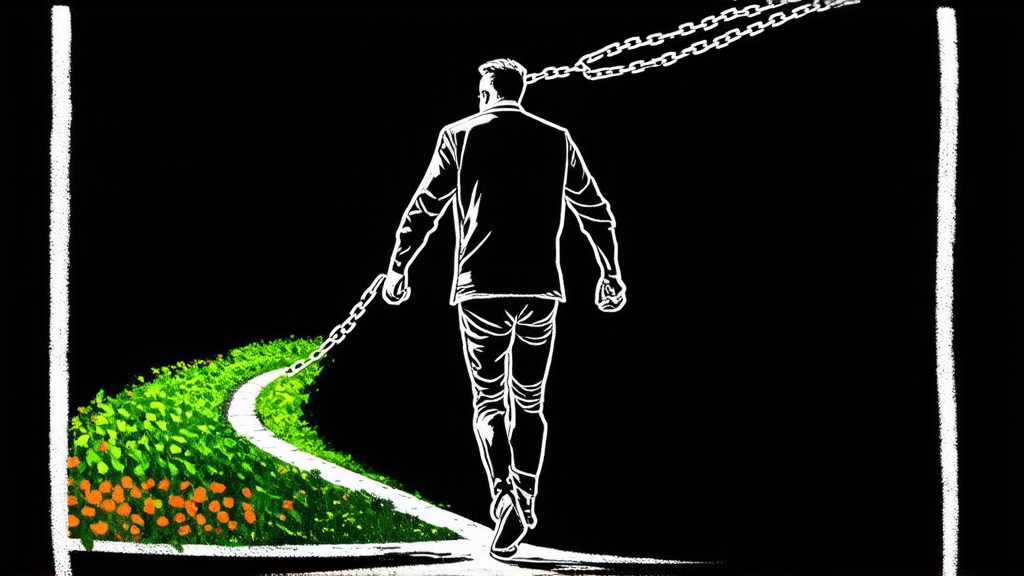
Medication can play a crucial role in treating compulsive masturbation disorder, particularly when combined with therapy. Several classes of medications have shown effectiveness in clinical trials.
Selective serotonin reuptake inhibitors (SSRIs) are commonly prescribed due to their side effect of reduced sexual desire and functioning. Medications like sertraline, fluoxetine, and paroxetine can help decrease the intensity and frequency of sexual urges.
Naltrexone, an opioid receptor antagonist, has shown particularly promising results. A 2023 randomized controlled trial found that naltrexone produced a 52% reduction in compulsive sexual behaviors compared to placebo.
Treatment specialists report that combining medication with therapy produces the best outcomes, with response rates reaching 70-85% in comprehensive treatment programs.
Other medications under investigation include antiandrogens for severe cases and mood stabilizers when bipolar disorder is present. The choice of medication depends on individual symptoms, medical history, and treatment goals.
Practical recovery strategies and self-help techniques
While professional treatment is essential, several self-help strategies can support recovery from compulsive masturbation disorder. These techniques work best when integrated into a comprehensive treatment plan.
Urge management techniques:
- Practice mindfulness meditation to observe urges without judgment
- Use the "HALT" method: check if you're hungry, angry, lonely, or tired
- Engage in physical exercise when urges arise
- Call a supportive friend or therapist
Environmental modifications:
- Remove or limit access to triggering materials
- Change daily routines that trigger compulsive behaviors
- Create accountability through apps or check-ins with others
- Establish new habits to fill time previously spent in compulsive behaviors
Practical strategies for stopping compulsive masturbation emphasize the importance of addressing underlying emotional needs. Many people use masturbation to cope with stress, boredom, or difficult emotions.
Lifestyle factors play a crucial role in recovery. Regular sleep schedules, balanced nutrition, and consistent exercise help regulate mood and reduce vulnerability to compulsive behaviors.
Digital recovery tools like Quitum can provide valuable support during this process by helping you monitor progress, identify patterns, and connect with others facing similar challenges. These tools make accountability easier and help celebrate important recovery milestones.
Success milestones to track:
- Days without compulsive behavior
- Improved mood and energy levels
- Better relationship quality
- Increased productivity at work or school
- Reduced shame and anxiety
Breaking common myths and misconceptions
Several dangerous myths surround compulsive masturbation disorder that prevent people from seeking help. Understanding the facts is crucial for recovery and reducing stigma.
Myth 1: "It's just a lack of willpower"
Reality: Compulsive masturbation disorder involves genuine neurobiological changes that make self-control extremely difficult. Brain imaging shows altered reward circuits similar to those in addiction.
Myth 2: "Only men struggle with this"
Reality: Research shows 30-40% of cases involve women. Female presentations may differ, often involving more emotional regulation difficulties and relationship impacts.
Myth 3: "Masturbation is always healthy"
Reality: While normal masturbation is healthy, compulsive patterns that cause distress or impairment require treatment just like any other behavioral disorder.
Myth 4: "You can't be addicted to a natural behavior"
Reality: Any behavior that activates reward circuits can become compulsive. The WHO's recognition of CSBD validates that sexual behaviors can become genuinely addictive.
Myth 5: "Treatment doesn't work"
Reality: Evidence-based treatments show 60-85% success rates when properly implemented with professional guidance.
When to seek professional help
Knowing when to transition from self-help to professional treatment can make the difference between continued struggle and successful recovery. Several clear indicators suggest it's time to seek professional help.
Seek immediate professional help if you experience:
- Inability to stop despite serious negative consequences
- Physical injury from compulsive behaviors
- Suicidal thoughts related to shame or despair
- Complete disruption of work, school, or relationships
- Escalation to illegal or dangerous behaviors
Types of specialists who can help:
Certified sex addiction therapists (CSATs) have specialized training in compulsive sexual behaviors. Psychiatrists can prescribe medications and assess for underlying mental health conditions. Licensed therapists trained in CBT or ERP can provide evidence-based psychotherapy.
What to expect in treatment:
Initial assessment typically involves detailed sexual history, mental health evaluation, and discussion of treatment goals. Treatment plans usually combine therapy, possible medication, and ongoing support groups.
Many insurance plans now cover treatment for compulsive sexual behavior disorder, especially when documented as CSBD. Don't let financial concerns prevent you from seeking help - many therapists offer sliding scale fees.
Conclusion
Compulsive masturbation disorder is a real, treatable medical condition that affects millions of people worldwide. The warning signs - from loss of control to negative life impacts - indicate when normal behavior has crossed into compulsive territory requiring professional intervention.
Evidence-based treatments including CBT, medication, and comprehensive support systems show remarkable success rates of 60-85%. Recovery is not only possible but probable with proper treatment and commitment to the process.
While seeking professional help remains essential, recovery tools like Quitum can provide valuable support during treatment by helping track progress and maintain motivation throughout the healing process.
Remember that seeking help demonstrates strength, not weakness. Compulsive masturbation disorder involves genuine neurobiological changes that require professional treatment, just like any other medical condition.
If you recognize these signs in yourself or a loved one, don't wait to seek help. Contact a qualified mental health professional who specializes in sexual behavior disorders today - your future self will thank you for taking this crucial first step toward recovery.
Related Articles


Start Your Recovery Journey Today
Join 100,000+ others who have taken the first step towards freedom

Quitum - Science-Based Recovery App
Quitum is the #1 science-based recovery app. Join 100,000+ others on their journey to freedom.